Achtung! Achtung! SandstrandSEO – Geht los 🙂
Vorab der Hinweis: Bitte alles nicht so ernst nehmen. 🙂 Den Namen SandstrandSEO gibt es nicht im Duden. Der Name ist frei erfunden und dient nur der Erfolgsmessung zum SEO Contest 2020. Alle Informationen dazu unten im Protokoll zum SandstrandSEO Contest.

Inhaltsverzeichnis
Vorwort zum Contest
Sollte jemand den Beitrag lesen ohne zu wissen das es hier um einen Wettbewerb geht, dann bitte nicht wundern. Inhalte, Bilder, mögliche Zusammenhänge sind frei erfunden und dienen nur dazu den SEO (Suchmaschinenoptimierung) Wettbewerb, im Idealfall zu gewinnen oder als Plan B wenigstes ein paar kollegiale Backlinks zu bekommen, wenn die vielen Recaps erst mal starten. Also los gehts. Mal sehen was mir alles für Blödsinn einfällt.
Was haben Sandstrand und SEO gemeinsam?
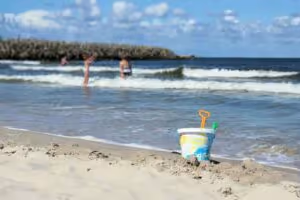
Begriffserklärung: Beide Wörter fangen mit dem Buchstaben “S” an und beide Wörter bilden zusammen das Keyword um was es hier geht. SandstrandSEO. Wer hätte das gedacht? Ansonsten haben beide Wörter nichts miteinander zu tun aber es ist Frühling und der Sandstrand suggeriert den Sommerurlaub, den viele dieses Jahr, auf Grund der Corona Krise, vermissen werden.
SandstrandSEO Video ORIGINAL
Das mit dem Original ist immer so eine Sache. Es gibt viele andere Seiten, Videos, Bilder usw., die oft mit dem Beinamen “Original” bezeichnet werden. Was ist da falsch gelaufen?. Wenn es ein Original ist, hat man da vielleicht vergessen die Alleinstellung am Markt zu bedenken oder hat man vergessen sich den Markennamen zu schützen, oder, oder? Wenn jemand anderes es problemlos und ohne Konsequenzen nachmachen kann, dann hilft auch die Bezeichnung “Original” nicht um seinen Marktwert auf Platz 1 zu halten. Aber Klicks bekommt man dafür, manchmal :-).
Sie sehen gerade einen Platzhalterinhalt von Youtube. Um auf den eigentlichen Inhalt zuzugreifen, klicken Sie auf die Schaltfläche unten. Bitte beachten Sie, dass dabei Daten an Drittanbieter weitergegeben werden.
Mehr InformationenWas genau ist dieses SEO?
Begriffserklärung: SEO ist englisch und bezeichnet den Begriff “search engine optimization” was im deutschen Suchmaschinenoptimierung bedeutet. Unter dem Begriff SEO (Suchmaschinenoptimierung sind Maßnahmen zusammen gefasst, die dazu dienen, die Sichtbarkeit, Zugriffszahlen, Rankings einer Website, Videos, Bilder, von Online Shops oder anderen Online Präsentationen, in den Suchmaschinen (Google,Bing,Yandex), zu erhöhen und auch Einwilligungen zu erhalten, zu was auch immer. . Das Ziel ist in der Regel Top 1 zu einem jeweiligen Suchbegriff (Keyword). Der SEO Maßnahmenkatalog umfasst mehr als 100 Punkte die man beachten sollte, einige davon kann man aber heute mit homöopathisch bezeichnen. (Digitalversion)
Wer hat SandstrandSEO erfunden?
Genau kann das wahrscheinlich nur seo-vergleich.de sagen. Wir vermuten, dass der Begriff unter zu Zuhilfenahme von Bewusstsein erweiterten Mitteln entstanden ist und seo-vergleich.de das Wort als “Aufhänger” für den SEO Contest genommen hat. Das Micky (Mickie) Krause den Contest mit ankündigte, bestätigt die Annahme, dass die “Places of Wordschöpfung” sich in Mallorca befanden. SEO Treffen auf Mallorca gibt es viele.
Braucht man dafür eine Ausbildung?
Masterabschlüsse, Zertifikate, Einwilligungen oder das SEO-Pferdchen nützen dir hier gar nichts. Was am Ende zählt ist das Ergebnis. Natürlich ist es von Vorteil wenn du von SEO etwas Ahnung hast. Eine spezielle Ausbildung als SEO gibt es auch nicht in Deutschland oder Europa. Das wäre auch eine sehr schwierige Ausbildung. Man kann davon ausgehen, dass am Ende der Ausbildung alles gelernte nur noch im geringen Maße stimmt, da sich der Algorithmus von Google, in der Ausbildungszeit, wahrscheinlich 5x geändert hat.
Gesundheitlichen Risiken beim SandstrandSEO
Eigentlich müsste man erst Fragen “Gibt es gesundheitlichen Risiken beim SandstrandSEO?” Ja die gibt es. Hier eine Übersichts / Liste der möglichen Risiken.
- Risiko in eine Glasscherbe zu treten
- Risiko eines Sonnenstichs, wenn man ohne Kopfbedeckung am Strand liegt
- Risiko Verdursten, wenn man keine oder zu wenig Getränke mit an den Strand genommen hat
- Risiko Sehverlust, falls man man auf seine Brille tritt, diese kaputt geht und man keine zweite Brille mit hat
- Risiko Beziehungsproblem, falls deine Frau oder Freundin zufällig auch am Strand ist und du viel auf Bikiniteile anderer Frauen siehst (psychischer Stress)
“Mehr dazu im Abschnitt “Welch Sandstrände eigenen sich für SEO?“
Ist SEO am FKK Strand möglich? (nur für Insider)
Ja, SEO (Suchmaschinenoptimierung) ist am FKK Strand möglich aber relativ sinnlos. Dadurch, dass du deine Unterhose ausziehst, wird deine Webseiten Optimierung nicht besser. Es könnte auch sein, dass durch deine gebeugte Sitzhaltung die Sonne nicht alle Bereiche gleichmässig bräunt und das Ergebnis nach einem Tag etwas putzig aussieht. In diesem Fall solltest du erst im Dunkeln wieder aufstehen um den Sandstrand zu verlassen.
Gibt es SandstrandSEO auch an der Ostsee?
Sandstrand SEO ist international. Man kann es von jedem Strand der Welt tun. Das gibt es sogar in Dresden, Freital und der Goethestadt Bad Lauchstädt. Bei der Auswahl des Strandes sind ausschliesslich die finanziellen Mittel des Auftraggebers der Grund dafür, dass einige SEOs die Tätigkeit von den Malediven oder Mallorca machen können und die anderen wahrscheinlich an der Kiesgrube im Nachbardorf das best mögliche SEO Ergebnis für den Kunden rausholen müssen. Das brauch nicht unbedingt schlecht sein, denn es hat sich herausgestellt, das einige Online Marketer, wenn sie mehr Geld verdienen bzw. größere Budgets zur Verfügung haben, auf einmal “ulkig” werden bzw. arrogant. Letzteres wirkt sich in der Regel auch auf deren Arbeit aus. So kann es vorkommen, das SEOs nach einer Zeit der “Höhenflüge” irgendwann wieder runter kommen und dann 1-2 Jahre später fähig sind, das normale Gespräch mit einem Kollegen wertschätzend durchzuführen. Das hat zwar gar nichts mit der Frage zu tun aber die wurde ja oben schon beantwortet. Ich brauchte einfach etwas Fülltest.
Muss ich direkt im Sand liegen?

Nein, mann muss bei der Arbeit nicht zwingend im Sand liegen. Man kann auch stehen oder sich setzen, Schneidersitz z.B.. Egal was für eine Stellung man wählt, der Laptop sollte aber eine relativ stabile Unterlage haben. Den fehlenden Bürotisch könnte man mit einer Luftmatratze ersetzen oder mit einem Bierkasten. Sollte sich noch Bier im Kasten befinden, bitte vorher austrinken, sonst wird es zu warm. Ausserdem ist mal dann beim SEO kreativer.
WICHTIG: Immer einen Strohhut aufhaben. Aber nicht irgendeinen Strohhut. Dieser muss von Jungfrauen aus Meckpomm, zum Zeitpunkt des Vollmondes, selbst geflochten wurden sein. 🙂
Welche Sandstrände eigenen sich für SEO?
Wer SEO am Sandstrand machen möchte sollte darauf achten, dass es am Strand auch etwas Schatten gibt. SEO kann man nicht in der prallen Sonnen machen. Erstens sieht man nichts auf dem Display des Laptops oder iPad und zweitens bekommt der Onliner selbst ein gesundheitliches Problem. Mit fällt gerade auf das das Wort Regenfälle irgendwie wichtig ist. Keine Ahnung warum. Vielleicht eine Steigerung, Sandstrand und Regenfälle, oder so.
In der Karibik sind es strandnahe Palmen oder große Felsen, wie z.B. auf den Seychellen, die Schatten spenden. An der Ostsee oder Nordsee sind es meist Bäume die relativ nah am Strand stehen oder Strandkörbe. Des Weiteren sollten Sandstrände genutzt werden, die von relativ wenig Touristen besucht werden. Kinder die Ball spielen sind vorsichtig zu beobachten. Sehr leicht kann ein abtriftender Ball, mit voller Wucht auf das Laptop treffen, was einen, im schlimmsten Fall, nicht zu reparierenden Hardwareschaden nach sich ziehen könnte.
Welche Computer sind für den Sandstrand geeignet?
Am Sandstrand brauch man einen schnellen Rechner. Warum? Ganz einfach. Es hat was mit Temperatur zu tun. Wir gehen davon aus das sich niemand im Winter oder bei Regen an den Sandstrand setzt um SEO zu machen, sondern das bei schönem Wetter tut. Schönes Wetter ist in der Regel der Zustand wo die Sonne scheint. Wenn die Sonne scheint ist es in der Regel auch warm und wenn es warm drehen die Lüfter von Laptops mit kleiner Rechenleistung bald durch. Dein Rechner sollte auch ein lichtstarkes Display haben, da durch die Sonne es schwierig ist alles auf dem Laptop zu erkennen. Als Faustformel gilt: Mit einem MacBook Pro kannst man nichts falsch machen. 🙂
Wie teuer ist SandstrandSEO? Kann ich mir das leisten?
Die Fragen nach den Kosten von SandstrandSEO kann man so nicht stellen und schon gar nicht beantworten. Man könnte den Preis eines Details nennen, was notwendig ist um gutes SEO zu machen oder eine Kostenpauschale aufgrund der Annahme, dass man so oder so viel Stunden für das Online Marketing insgesamt benötigt. Aber so genau kann man das nicht sagen. Es verhält sich ähnlich wie mit der Frage: “Wie teuer ist Urlaub?” Diese Frage kann man auch nicht exakt beantworten, da man nicht weiss wo es hingehen soll, wie viel Personen reisen und wie lange alle unterwegs sein wollen.
Wird SandstrandSEO vom Corona-Virus beeinflußt?
Antwort: JA, SandstrandSEO wird vom Corona-Virus beeinflußt und das sogar sehr massiv. Der Grund ist/war die eingeschränkte Reisetätigkeit, die nun mal notwendig ist um einen Sandstrand für die SEO Tätigkeit zu erreichen. Am Sandstrand selber wäre wahrscheinlich ein Infektionsrisiko für den Covid-19 Virus eher homöopathisch gewesen, da es da in der Regel am Strand genügend Platz gibt um die Abstände entsprechend den Vorgaben und noch mehr einzuhalten. Der Strand an sich ist auch nicht das eigentliche Problem, es ist eher das Hotel gewesen, welches man durch den Corona-Virus nicht buchen konnte.
Wie viel Strom verbraucht SandstrandSEO?
Egal welches elektronische Endgerät man für SandstrandSEO benutzt, sie werden alle sehr viel Strom verbrauchen. Warum ist das so? Ganz einfach: Die größte Menge an Energie verbraucht immer das Display. Dabei ist es egal ob es ein Apple / Mac oder Windows PC / Laptop ist. In der Regel scheint immer die Sonne am Sandstrand. Wenn es regnen würde, würde man sich ja nicht an den Strand setzen. Klar, oder? Deshalb ist es ratsam, dass man sich genügend Akkus mit an den Strand nimmt. Da Akkus aber relativ schwer sind und man sich nicht damit abschleppen will, den der Sandstrand ist ja nicht gleich um die Ecke, sollte man auf Alternativen zurück greifen.
SandstrandSEO kann man nur mit Strom machen
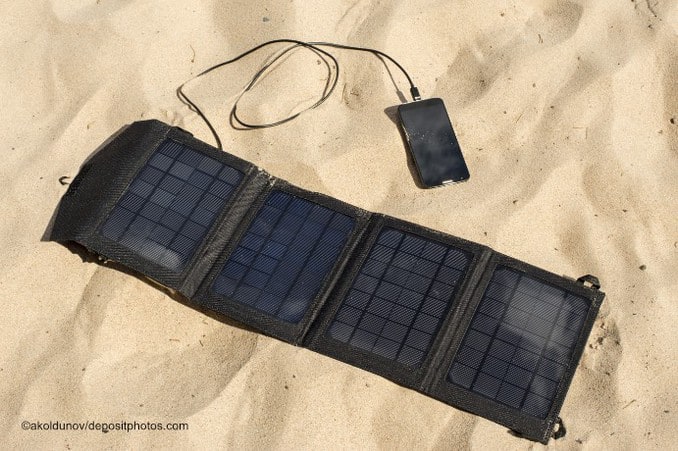
Damit der Laptop nach 1 Stunde nicht ausgeht und man bis dahin nichts geschafft hat, empfehlen wir deshalb passende Sonnenkollektoren in Verbindung mit einem Akku. Sozusagen ein “SandstrandSEO Sonnenkollektorakku“.
Ist SandstrandSEO im Urlaub möglich?
Mein Freund würde die Frage ungefähr so beantworten. ANTWORT: “Da musst du deine Frau fragen?”. Sehr witzig. Online Marketing Experten, die verheiratet sind, kennen die Situation und die Antwort. :-). Natürlich kann man SEO im Urlaub machen aber es ist nicht sinnvoll. Freelancer haben hier vielleicht einen Vorteil, da Agenturinhaber nicht wirklich 14 Tage “abschalten” können. Freelancer schon, wenn sie wollen.
Wie ist die Zukunft vom SandstrandSEO?

Die Zukunft dieser SEO Maßnahme ist in Expertenkreisen umstritten. Experten sind unterschiedlicher Meinung. Die eine These stützt sich auf die zunehmende Erderwärmung, dem abschmelzen der Polkappen und dem daraus resultierenden Anstieg des Meerwasserspiegels, was die Auswahl möglicher Strände, für das SandstrandSEO, täglich reduziert. Die andere These stützt sich auf Vermutung, dass “SEO sowieso tot ist” und der Bedarf an geeigneten Sandstränden zurück geht.
Tipp: Mit der passenden Hintergrundmusik, Wellenrauschen und Möwengeschrei und geschlossenen Augen, kann man das sogar in anderen Städten und Orten machen. Was hat SandstrandSEO und Kosmetik Dresden gemeinsam? Das wisst Ihr nicht? Bingo. Wir wissen es auch nicht. 🙂
SandstrandSEO Galerie











Buchungsanfrage
Du hast Fragen zum Thema SEO (Suchmaschinenoptimierung) an der Ostsee? Dann schreib mir einfach oder stelle deine Frage, die ich hier gern öffentlich beantworte. Gern kannst du auch ein Coaching direkt bei mir buchen. Wer ist bin steht weiter unten.
[caldera_form id="CF5a0ecec17ee4c"]Protokoll zum Contest 2020
Informationen zum SEO-Contest 2020
- Start: 20.05.2020 um 10 Uhr
- Ende: 22.06.2020 um 10 Uhr
- Aufgabe: Suchbegriff "SandstrandSEO" bei Google bestmöglich ranken
- Die Rankings / Suchergebnisse werden an 3 Stichtagen (15./18./22.06 um 10 Uhr) gemessen
Alle Informationen zum SEO-Contest 2020, der PageRangers ContentSuite, Aktuelle Suchergebnisse, den Teilnehmern Aweos, Netgrade, Sumax, Bomt, Mister-SEO, Semtrix, Sumax und Redrammedia bekommt Ihr unter https://www.seo-vergleich.de/sichtbarkeit/seo-contest-2020/
Was gibt es zu gewinnen?
- Platz 1: Kurzurlaub für Körper & Seele (2 Personen)
- Platz 1 bis 2: VIP-Ticket für den SEO-Day 2020 in Köln. (Gesamtwert: ca. 1.200 Euro)
- Platz 1-3: PageRangers ContentSuite 12 / 9 / 6 Monate (Gesamtwert: ca. 10.800 Euro)
- Platz 1 bis 3: OMR-Reports nach Wahl (Gesamtwert: ca. 800 Euro)
- Platz 1 bis 3: SEO-Vergleich.de Mitgliedschaften (Gesamtwert: ca. 2.100 Euro)>

Hallo an alle Mitwettbewerber. Sonst habe ich irgendwie keine Zeit an solchen Contest Geschichten teilzunehmen aber “Sandstrand” war das Keyword was mich erreicht hat. SandtrandSEO ist ein gutes Wort. Gefällt mir, deshalb mache ich dieses mal mit. Ach ja: Sorry, mein Name ist Andreas und bin Ostsee Magazin SEO & Redakteur und biete Suchmaschinenoptimierung in Dresden an. Hier schreibe ich in Stichpunkten alles auf, was ich so mache.
21.05.2020 – Heute Mail erhalten das es los geht. Kurz einen Beitrag mit fast sinnlosen Fragen erstellt, Meta erstellt, Indexiert, Bild gemacht auch indexiert, Beitrag schon mal auf Facebook gepostet, nachgesehen wie andere stehen, festgestellt das einige ja schon richtig aktiv waren, wouhh, ob die unzähligen Pressemitteilungen nicht eher schädlich sind wird sich zeigen, ok heute Männertag, Feierabend! (Zeiteinsatz 1,5 Stunden)
22.05.2020 – Seit heute auf Platz 3 zum Thema SandstrandSEO. Finde ich sehr witzig, da ich ja noch gar keine Fragen beantwortet habe. Offensichtlich ist die Antwort weniger wichtig als die Frage. Ich bin gespannt was passiert wenn ich sie beantworte. Heute ein witziges Bild gefunden. Der einsame SEO am Sandstrand.
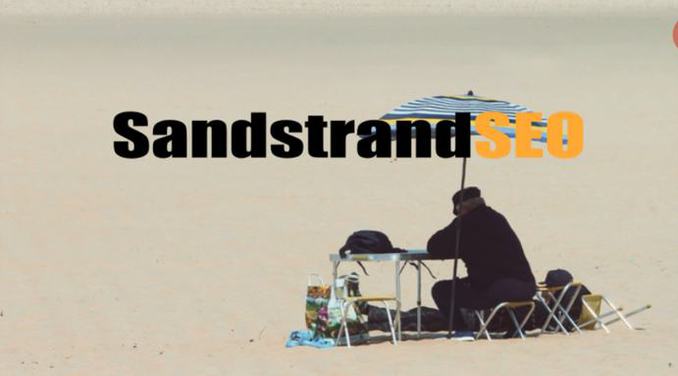
Habe die Bild-Anhangs-Seite bearbeitet und indexiert. Bei Youtube 2 Videos gesehen. Ich dachte ich kann das vielleicht besser. Fix eine Slideshow Video erstellt mit Bildern von Pixabay und Musik aus der Youtube Audio Libary. Bin gespannt ob der nackte Hintern zensiert wird. Soll für heute reichen. (Zeitaufwand 2 Stunden)
26.05.2020 – Gestern noch verschiedene externe Links in Form von Beiträgen zum Thema geschrieben und gesetzt. Heute überlegt, dass ich die Struktur der Seiten im Ostsee Magazin (also ohne Seiten Widget) schon immer mal verändern wollte. Ich spiele gerade mal etwas herum. Kann sein dass das eine oder andere SandstrandSEO Image von der Größe her nicht passt. Aufwand gestern und heute gesamt 3 Stunden.
28.05.2020 – Gestern das krasse Ergebnis meiner Spielerei gesehen. Von 3 auf 33. Tschakka, kann ich 🙂 Der Grund war blöd. Ich wusste, dass man mit indexierten URL nicht herumspielen sollte wenn man keine Zeit hat. Na ja, war wie früher als Mutti sagte “Fass das nicht an”, ich musste es anfassen und es ist schief gegangen. Heute versucht alles zu reparieren. Mal sehen was die nächsten 2-3 Tage passiert. Kennt Ihr das? Mann will es besonders gut machen und dann gibt es da so einen Punkt und der war dann zu viel. Ist mir nicht das erste mal passiert. Irgendwann brauch ich noch Text für meine Fragen im Beitrag bevor der Contest vorbei ist. Nehme es mir am WE vor. Gestern und heute ca. 2 Stunden investiert.
30.05.2020 – Erfreut konnte ich feststellen, dass ich von 33 wieder zurück bin. Die Bereinigung der falschen URLs hat Google wohl jetzt geschnallt. Ich habe dann noch alle indexierten Bilder repariert und wo ich da gleich dran war auch die Bildanhangsseiten bisl seo-technisch aufgepeppt. Dann habe ich es noch geschafft, wieder einige der offenen Fragen zu beantworten. Vielleicht noch ein Gedanke. Das ist doch ein wertschätzender Wettbewerb, dachte ich so. Postet man dann in die Profile der anderen als Linkspam? Ich denke nicht. Habe die Links gelöscht. Für die letzten Aktivitäten habe ich so an die 2 Stunden investiert.
Zwischen 30.05. und 10.06.2020 habe ich irgendwas gemacht. Keine Ahnung was. Wir bereits oben erwähnt, hatte ich 2x die URL geändert. Ich dachte in ranke besser wenn ich den Beitrag hinter ein bestehendes SEO Thema stelle. Wahrscheinlich tut es das auch aber ich war zu ungeduldig und habe es wieder umgestellt. Im SEO Bereich unter Druck arbeiten kann man machen aber es ist nicht gut. Ich wollte dann wieder umstellen aber dann erschien mir die Zeit zu knapp, bis Google geschnallt hat welche URL jetzt die Canonical ist. Egal. Ich sitze an der Ostsee auf der Insel Rügen und prüfe den Sand vor Ort. Witzigerweise sehe ich jetzt Sand und denke an SEO. Na super. 🙂
Gesamtstundenzahl (bis heute 20.06.2020) 22 Stunden
11.10.2022: Kurz mal durchgelesen. Schön gelacht und noch 2 Links dazu genommen. Habe gerade überlegt, dass ich wahrscheinlich jedes Jahr ca. 45 Euro von der VG Wort dafür bekomme. In ca. 25 Jahren hat sich das dann gerechnet. Ta Ta 🙂 🙂 🙂